Our History
The history of the Anglican Church in Paraguay is part of a Christian movement with deep roots in the early Church and a strong biblical and missionary heritage. Anglicanism arose in Great Britain in the first centuries of Christianity and, over time, affirmed an identity marked by the centrality of the Bible, the historical continuity of the apostolic faith, and an episcopal form of government at the service of God's people.
During the 16th-century Reformation, the Anglican Church reaffirmed fundamental Gospel principles, such as the supreme authority of Scripture and salvation by grace through faith in Jesus Christ. This process shaped a reformed, biblical church deeply committed to teaching, liturgy, and community life, expressed especially in the Book of Common Prayer and the Thirty-Nine Articles of Religion.
The arrival of Anglicanism in South America occurred primarily through missionaries and chaplains who accompanied British communities established in the region during the 19th century. Over time, this presence expanded into a deeper missionary vocation, especially among indigenous peoples and local communities, integrating evangelization, education, health, and social development.
In Paraguay, the Anglican presence was consolidated at the beginning of the 20th century. In 1919, the chaplaincy church was built in Asunción, marking a milestone in the institutional life of the Anglican Church in the country. Subsequently, missionary work expanded, particularly in the Paraguayan Chaco, where Anglican missionaries carried out comprehensive work among indigenous communities, combining the proclamation of the Gospel with Bible translation, education, medical care, and community formation.
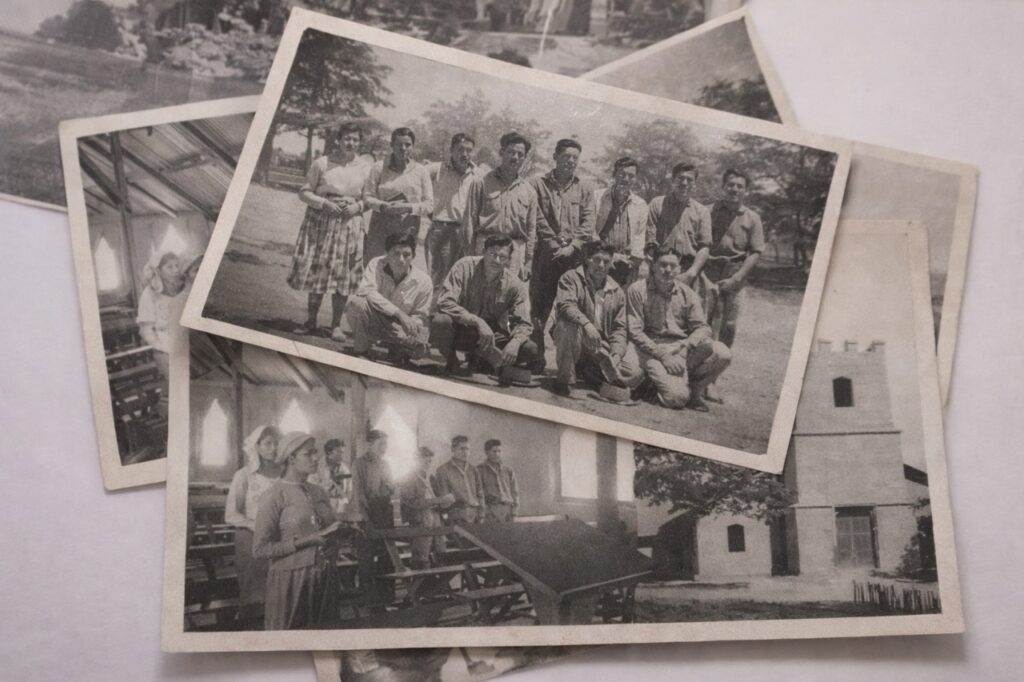
""The Anglican Church was born out of the Reformation to return to the Bible, maintain tradition, and center faith on the grace of Christ.""
Over time, the Anglican Church in Paraguay has increasingly affirmed its Latin American identity, evolving from a primarily English-speaking church to one fully integrated into the country's cultural, social, and linguistic context. Liturgy, pastoral formation, and church administration began to develop in Spanish, reflecting a commitment to the Paraguayan people.
Today, the Anglican Church of Paraguay is a living part of the worldwide Anglican Communion: a communion of autonomous churches, united by faith in Christ, the authority of the Bible, the historic creeds, the sacraments instituted by Jesus, and the episcopal ministry. Faithful to its historical and biblical heritage, it continues its mission of proclaiming the Gospel, serving with love, and walking alongside communities, trusting in the guidance of the Holy Spirit.