
Our
History
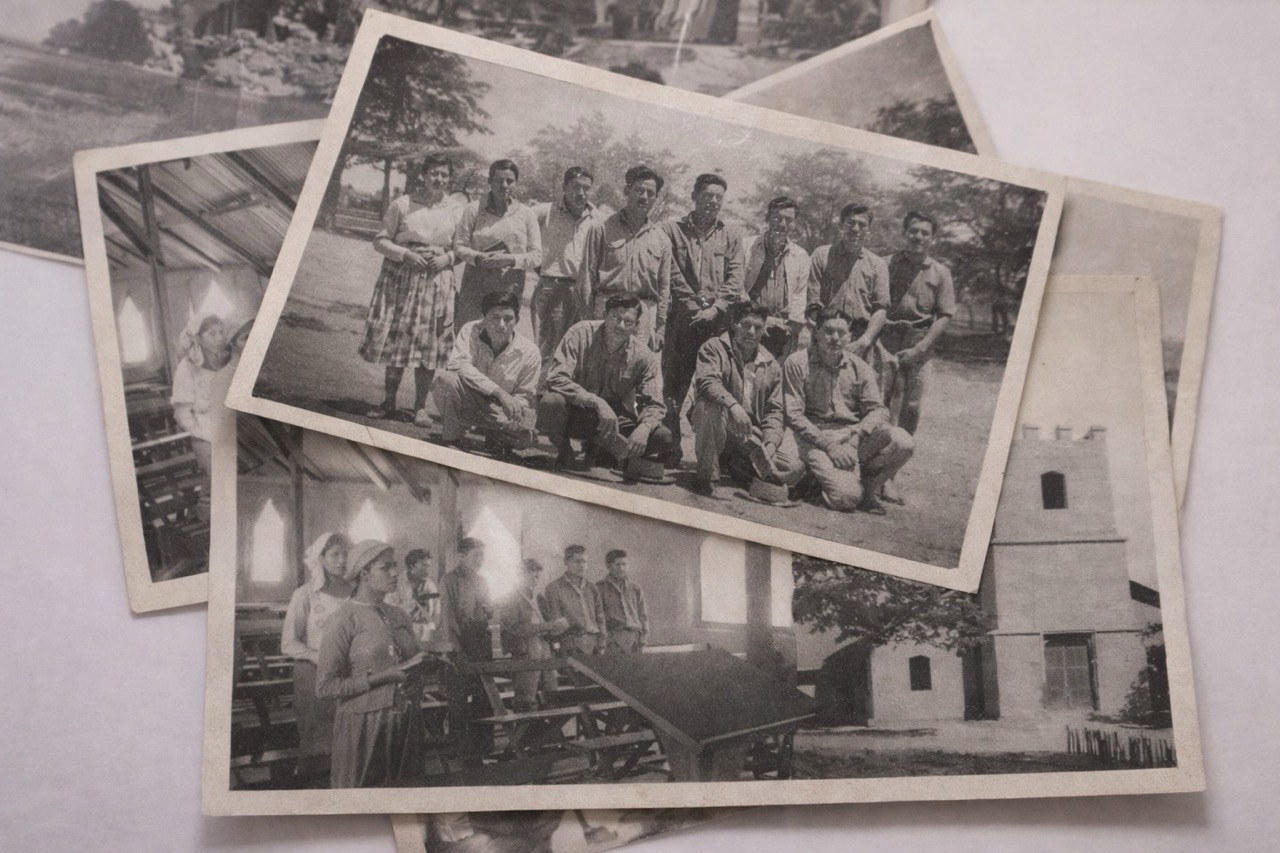
The Anglican Church in Paraguay forms part of a Christian tradition with roots in the early Church and a strong biblical heritage. Anglican missionary work arrived in Paraguayan territory in the late nineteenth century, with the beginning of work in the Paraguayan Chaco in 1890 standing out, especially among Indigenous communities. The institutional presence was consolidated with the building of the first Anglican church in Asunción in 1919. Since then, the Church has affirmed a Latin American identity, integrating faith, mission and service, and forming part of the worldwide Anglican Communion.
Anglican
Identity
The Anglican Church is defined by its fidelity to the Bible as the Word of God and by its communion with other Christian churches. It is distinguished by a governance that unites democratic participation and spiritual leadership, recognising the authority of the bishop and presbyters. Clergy and laity share the responsibility of living and guiding the people of God in unity and love.
Diocese
and Members
This section presents the organisational and spiritual structure of the Anglican Diocese and of each local congregation. It describes how the Church is governed, the roles of pastoral and administrative leadership, the functions of the councils, and the rights and duties of its members. It also establishes principles of order, transparency and accountability for living out the Christian faith in community, in faithfulness to the Bible and to the mission of the Church.
Mission
Spread the principles of Christianity, both in their spiritual and eternal implications.
Vision
Contribute to the social, moral and spiritual consolidation of Paraguayan society.
St Andrew's
School
St Andrew's School was founded in 1963 by the Paraguayan Anglican Church as part of its commitment to Christian education. Its mission is to provide comprehensive, bilingual education, where the teaching of the Word of God holds a central place, alongside academic excellence. The school aims to develop upright individuals with Christian values, critical thinking and a vocation for service, capable of making a positive impact on society.